


A commercial food processor cut monthly electric bills by $21,870, or 25%, without capital investment. Here is how the analysis worked and where the savings came from.

Scope 2 emissions reporting increasingly requires interval-level data, not just monthly bill totals. Here is why the data foundation matters for defensible reporting.

ESG frameworks increasingly require third-party verifiable emissions data. Utility bills alone cannot produce it. Here is what has changed.

Utility billing errors are more common than most facility teams realize. Most jurisdictions allow refunds going back twelve to thirty-six months.

Utility bills are treated as fixed operating expenses by most CFOs. They contain four specific patterns of overpayment that a standard finance review will never catch.

Utility rate class is the single largest structural driver of a commercial electric bill. Most facilities are on the wrong one and do not know it.
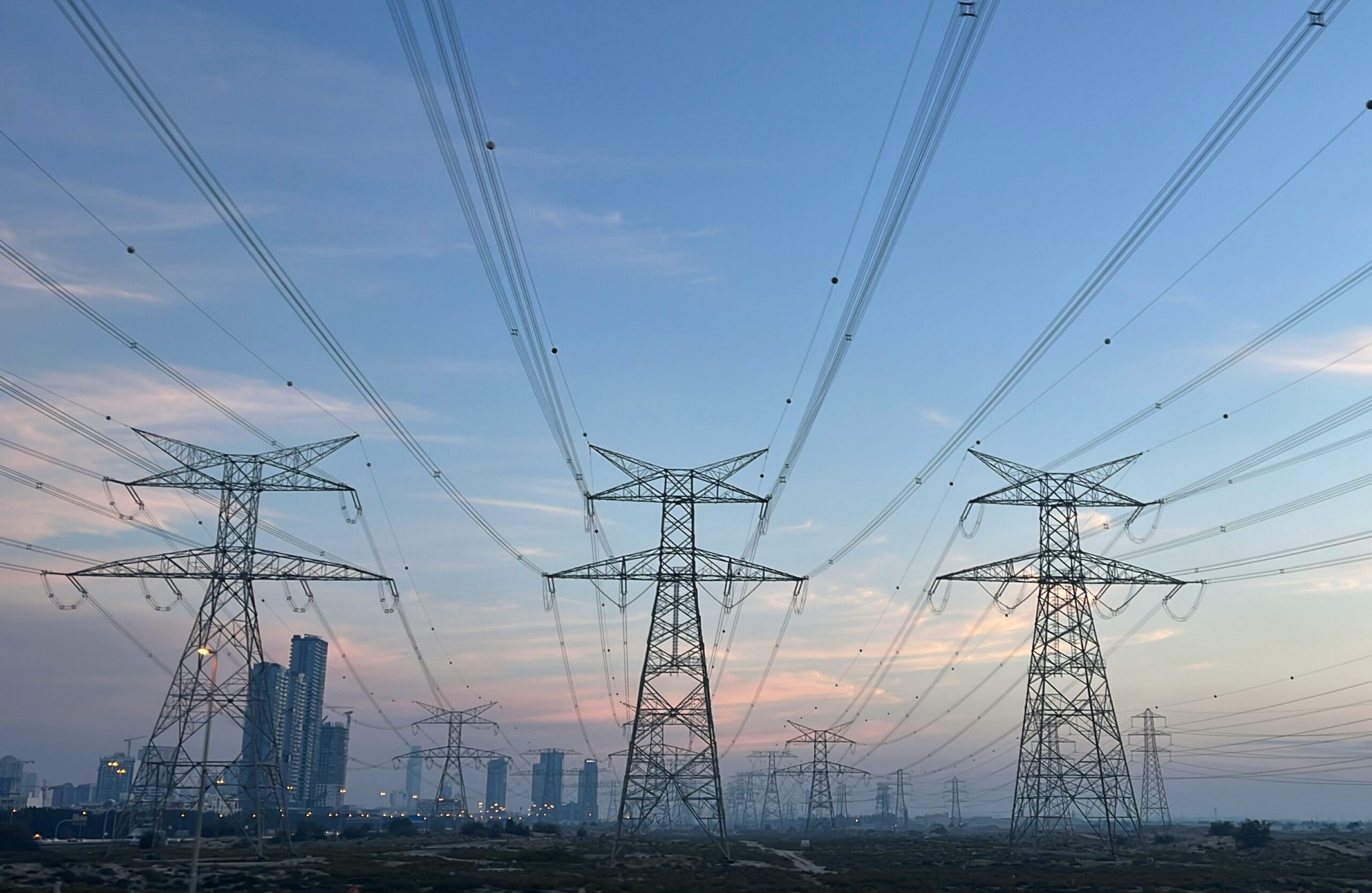
ComEd offers multiple rate classes for commercial and industrial customers. Being on the wrong one is common and costly. Here is how the structure actually works.
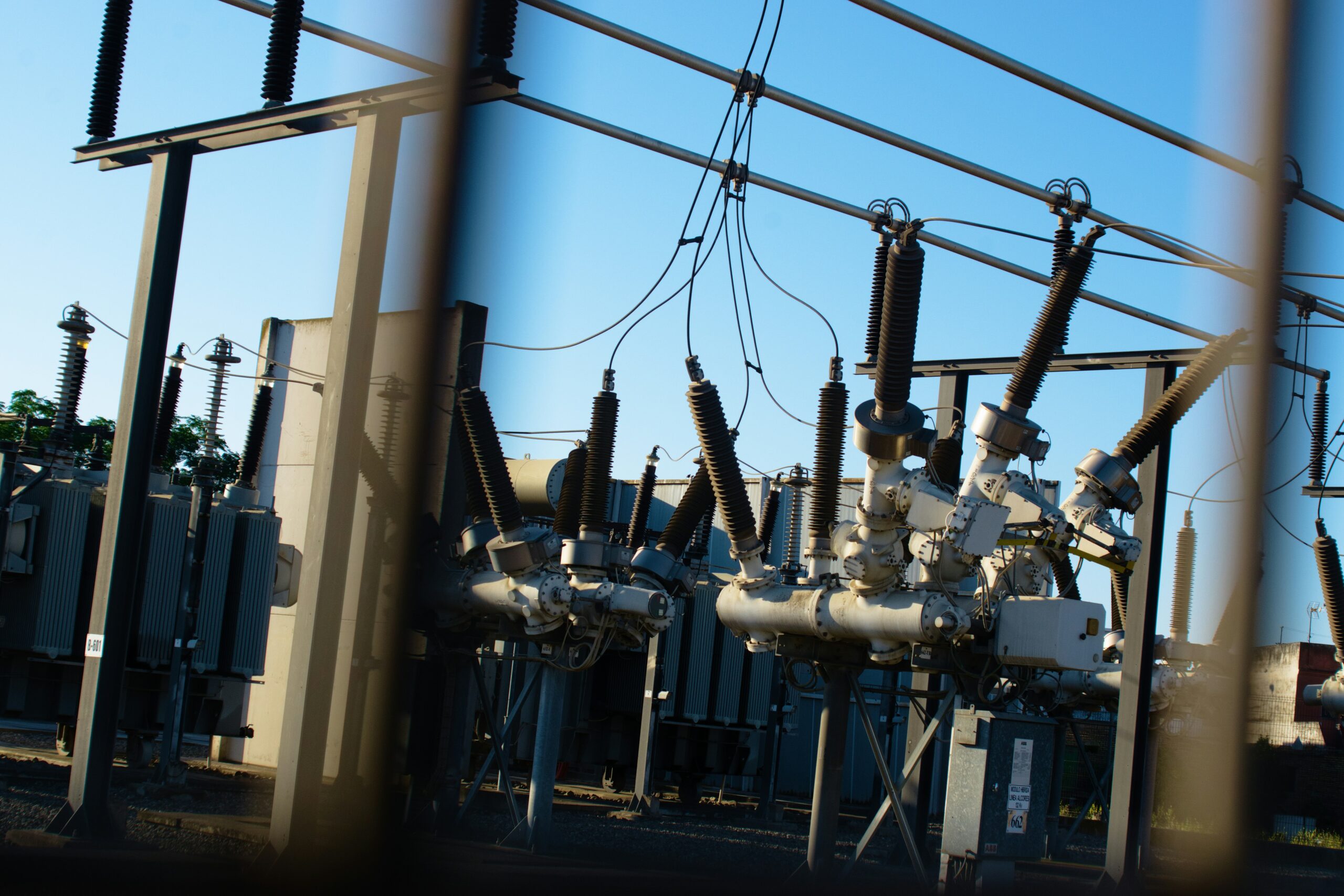
PJM capacity charges are set once a year based on your load during five system-wide peak events. Learn how the tag works and how to lower it.

If your electric bill has jumped without a matching production change, one of these seven patterns is likely the cause. Diagnostic checklist inside.

Your electric bill charges you for two different things: how much energy you use and how fast you use it. Here is why they matter differently.